Skip to content
HOME LINKSRestumping & Underpinning

Melbourne foundation specialists

Bring your home back to solid ground.

Restumping, underpinning and house relevelling across Melbourne.

Tell us about the signs of movement you've noticed, we'll arrange an on-site assessment, and you'll receive a proposed scope of work.

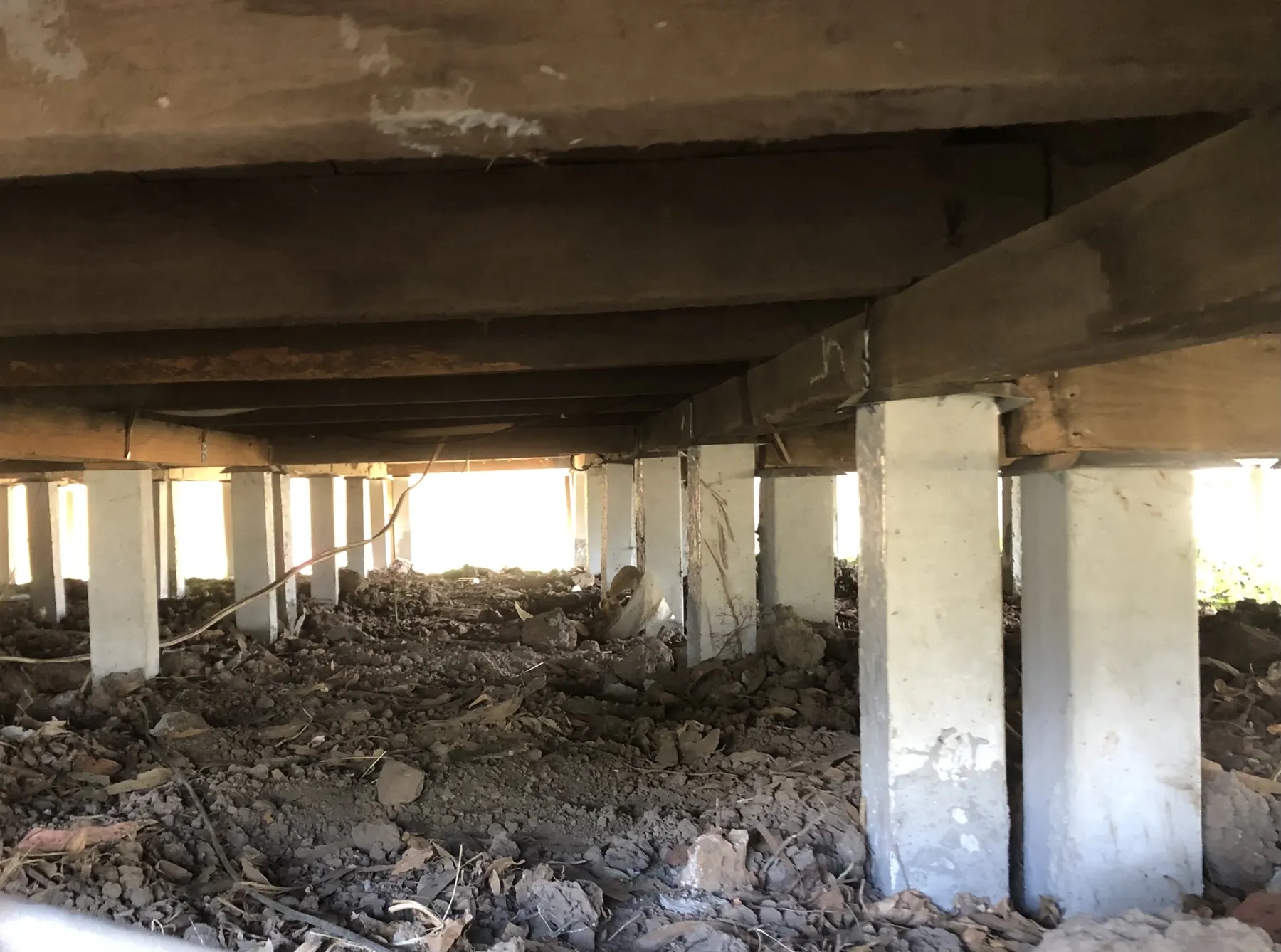
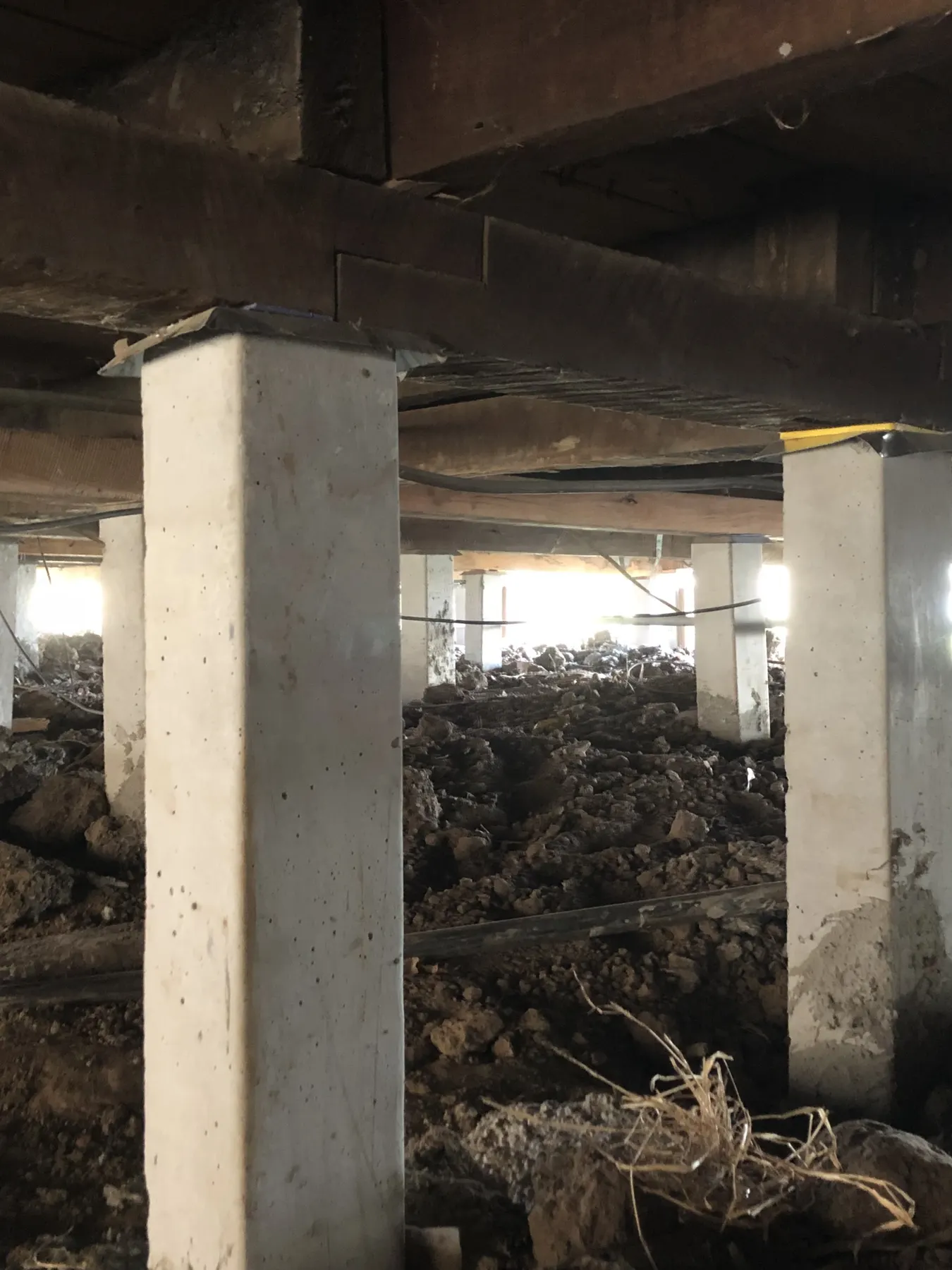
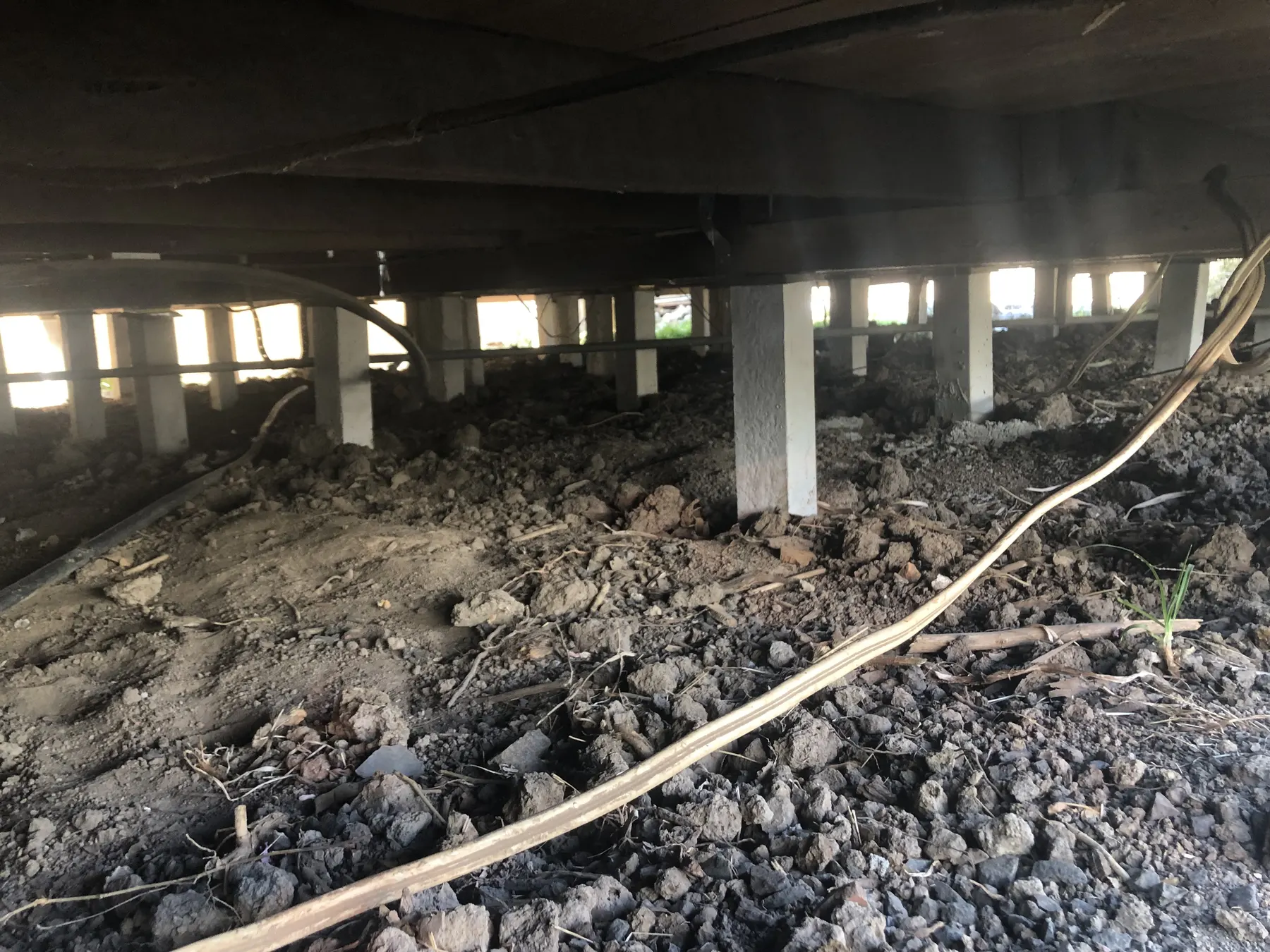
New concrete stumps standing in rows beneath a timber-framed house
New concrete stumps beneath the bearers of a timber-framed home

Signs of movement

Signs your property may need assessment.

These symptoms are worth having looked at — but they don't diagnose a problem on their own. Cracking or uneven floors can have several causes; an on-site assessment finds out which applies to your home.

  1. 01

    Cracks in walls

    New or widening cracks in plaster or brickwork, especially above doors and windows.

  2. 02

    Uneven floors

    Floors that slope, dip, feel springy or squeak more than they used to.

  3. 03

    Sticking doors

    Doors and windows that bind, swing open on their own or no longer latch.

  4. 04

    Deteriorated stumps

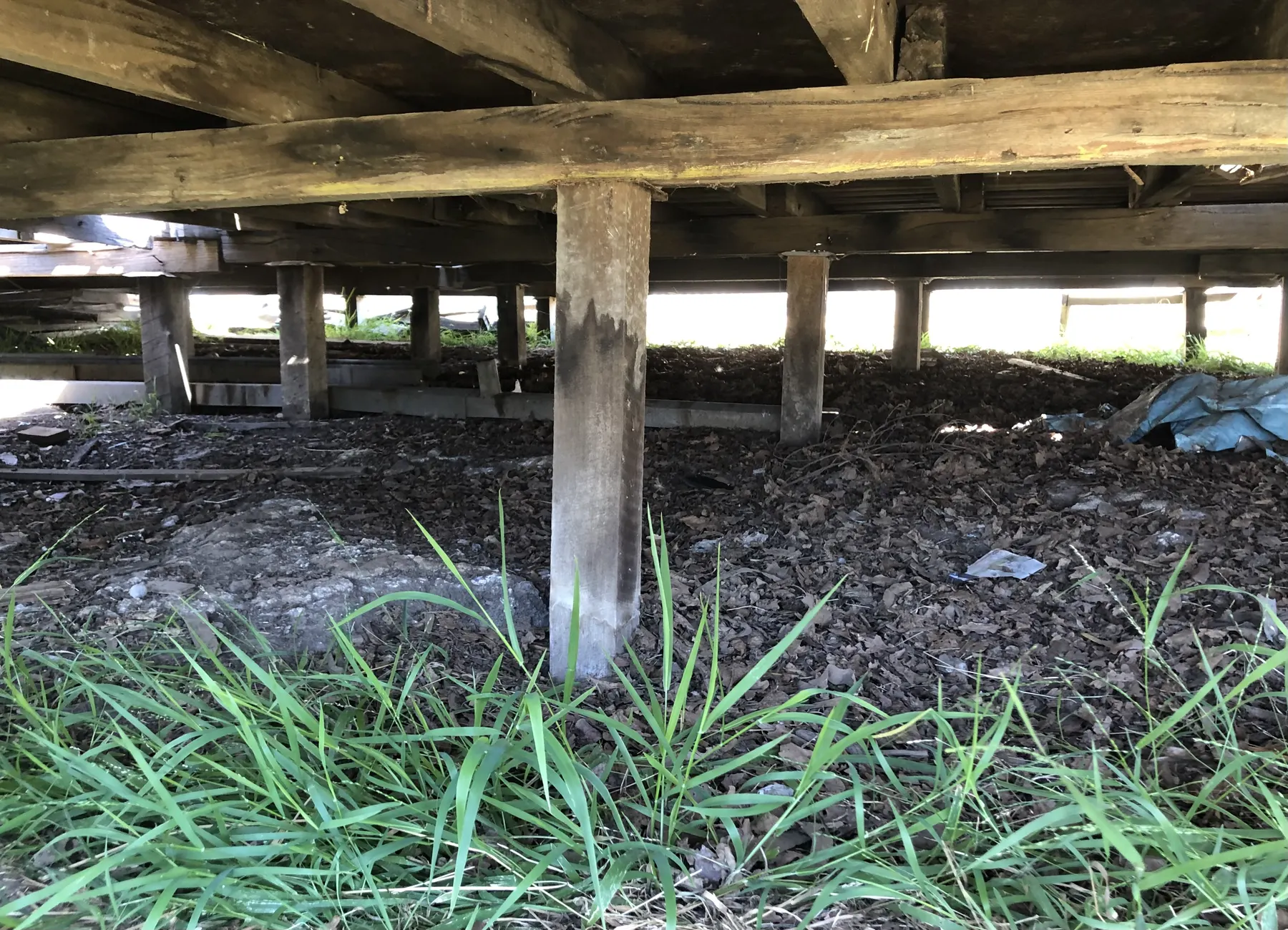
    Stumps that look rotten, cracked, leaning or have sunk into the ground.

Services

Three specialist services.
One careful approach.

Each home moves differently. We assess first, then recommend the work that suits the structure, the ground and your budget.

A replaced stump supporting a bearer beneath a raised floor01

01

Restumping & reblocking

Many older Melbourne homes sit on timber or early concrete stumps. Over time these can rot, sink or shift, and the floor above begins to move with them. Restumping replaces those supports with new concrete stumps so the floor frame is properly carried again.

May be appropriate when

  • Stumps are rotten, cracked, leaning or have sunk.
  • Floors feel springy, squeak or slope noticeably.
  • Doors and windows have started to stick or no longer latch.
Explore restumping & reblocking
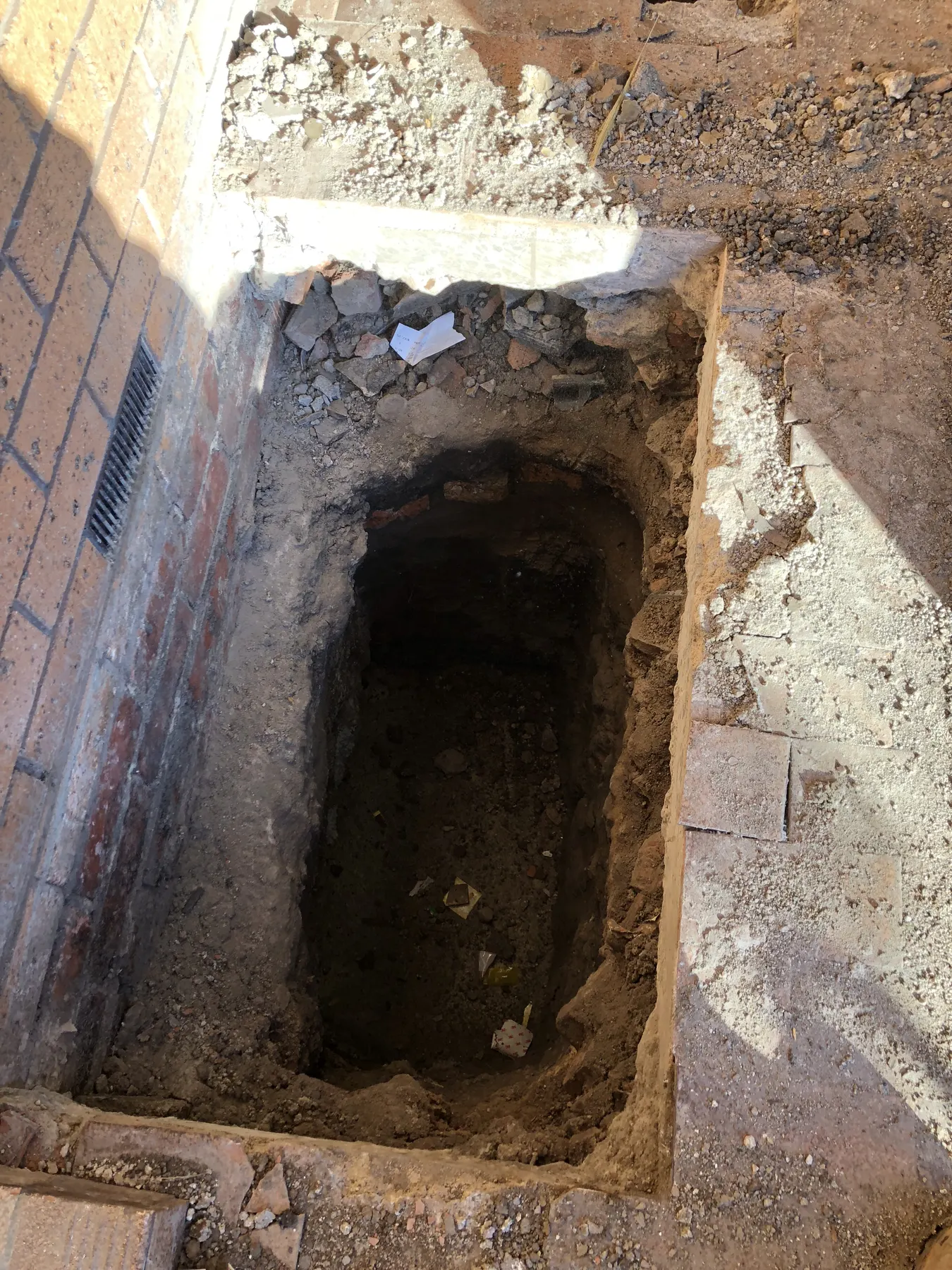
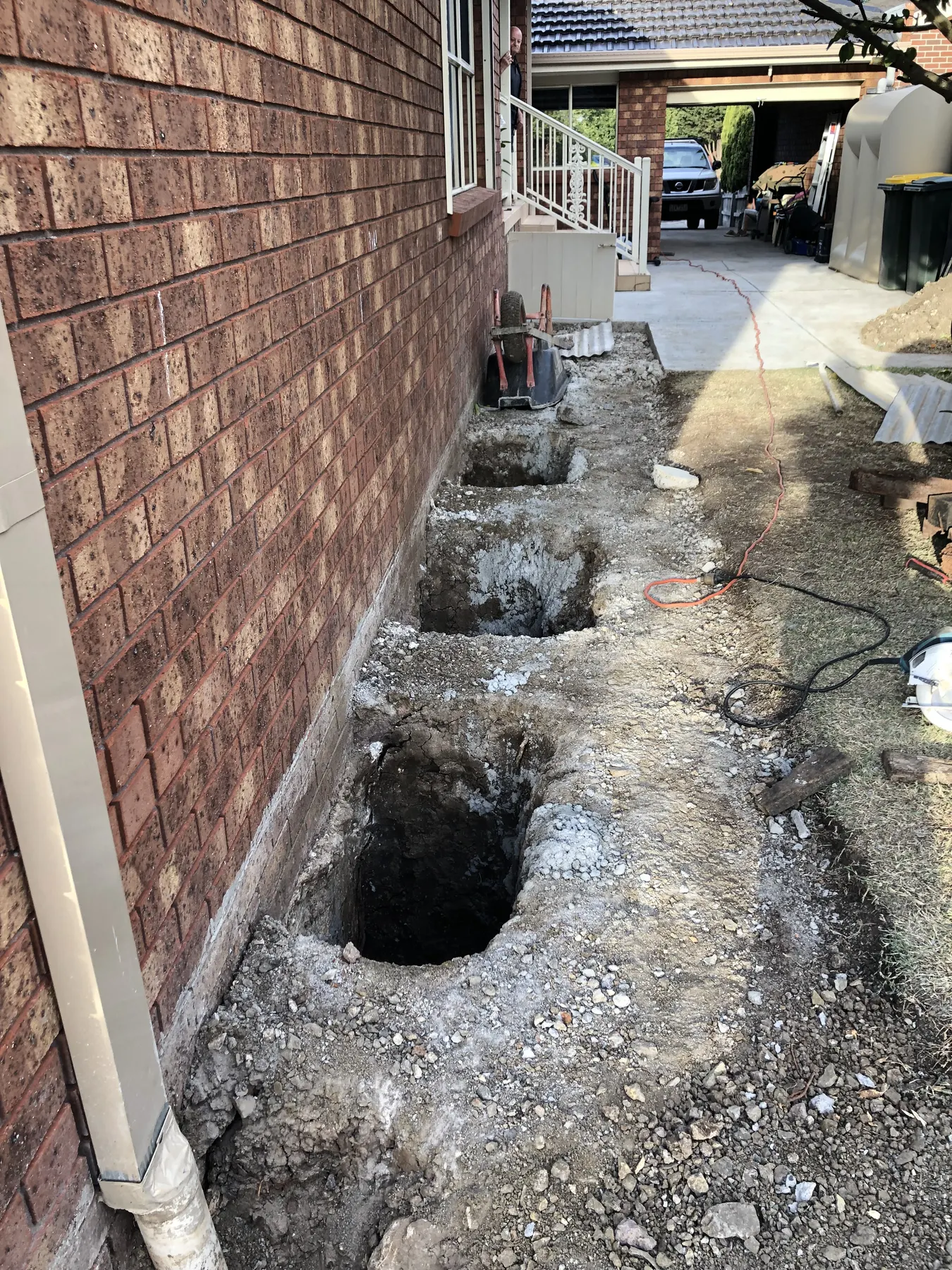
Series of underpinning holes along a brick house02

02

Underpinning

Underpinning supports or strengthens the foundation of an existing house or structure. It is commonly considered when a section of footing has settled or the ground beneath it can no longer carry the load as intended.

May be appropriate when

  • Cracking in brickwork, often stepped or wider at one end.
  • One part of the house has dropped relative to the rest.
  • Ground conditions have changed — for example after leaks, drainage problems or nearby excavation.
Explore underpinning
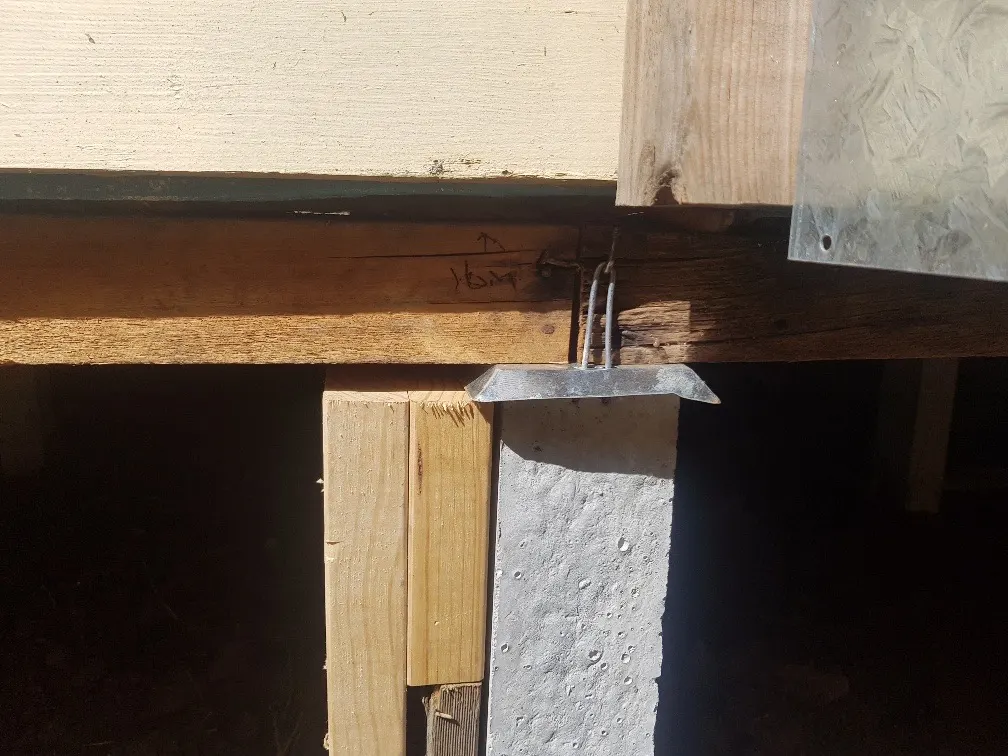
Timber bearers and joists supported on new stumps03

03

House relevelling

Where the stumps themselves are still in reasonable condition but the floor has drifted out of level, relevelling can bring the house back into line. It is often a cost-effective way to address uneven floors and help protect the structural and cosmetic elements of the home.

May be appropriate when

  • Floors slope or dip, but stumps are mostly sound.
  • A previous restump has settled unevenly over time.
  • Doors have begun to bind after seasonal ground movement.
Explore house relevelling

We also replace individual concrete stumps and carry out the excavation associated with foundation work. Ask us about your job.

Our work

Real jobs, photographed on site.

Restumping and underpinning work by the Home Links team — subfloors, stumps and footings.

View all project photos
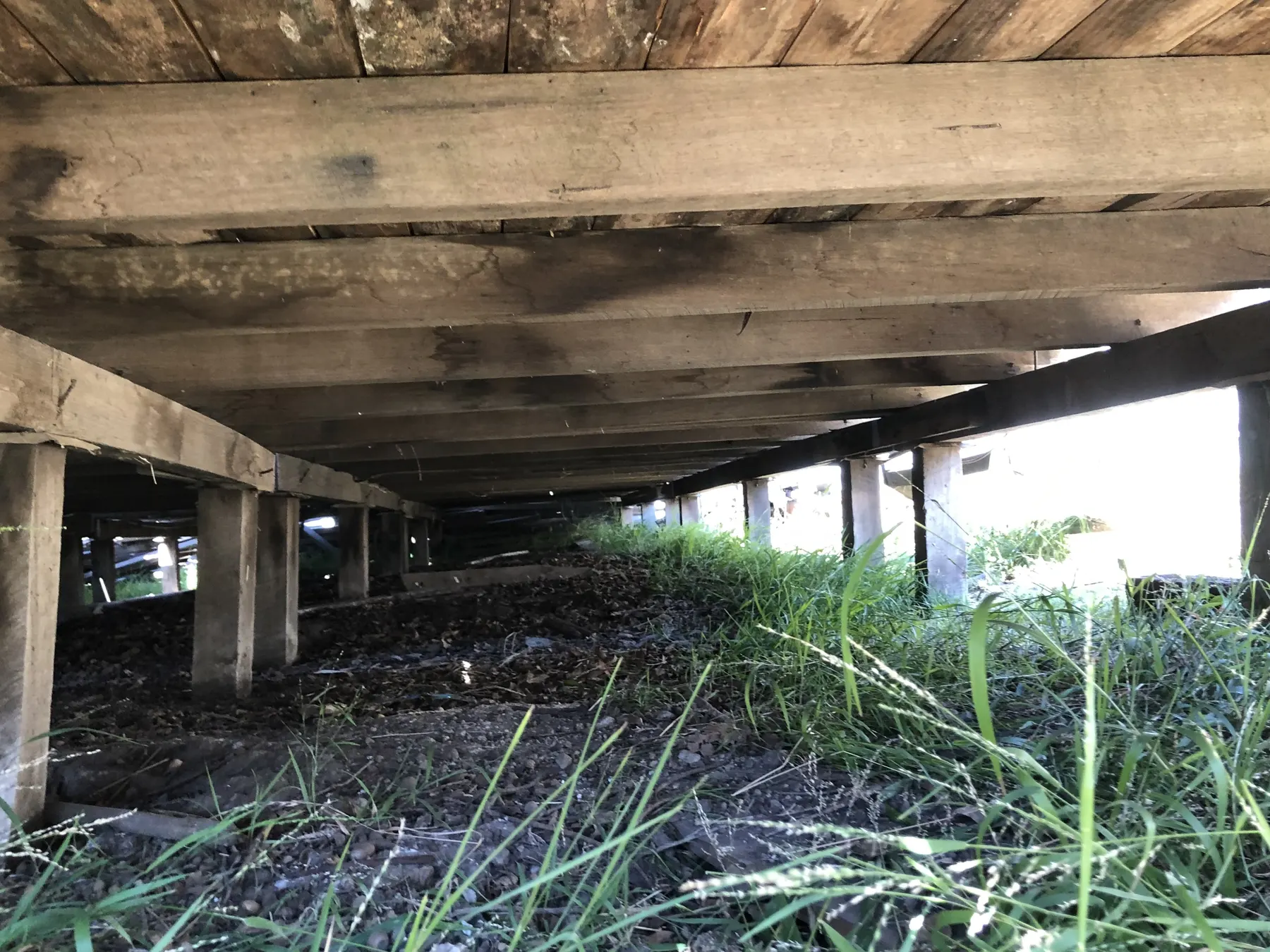
  • Subfloor with a series of new concrete stumps

    A full set of new stumps across the subfloor

  • Series of underpinning holes along a brick house

    Underpinning excavations along the wall line

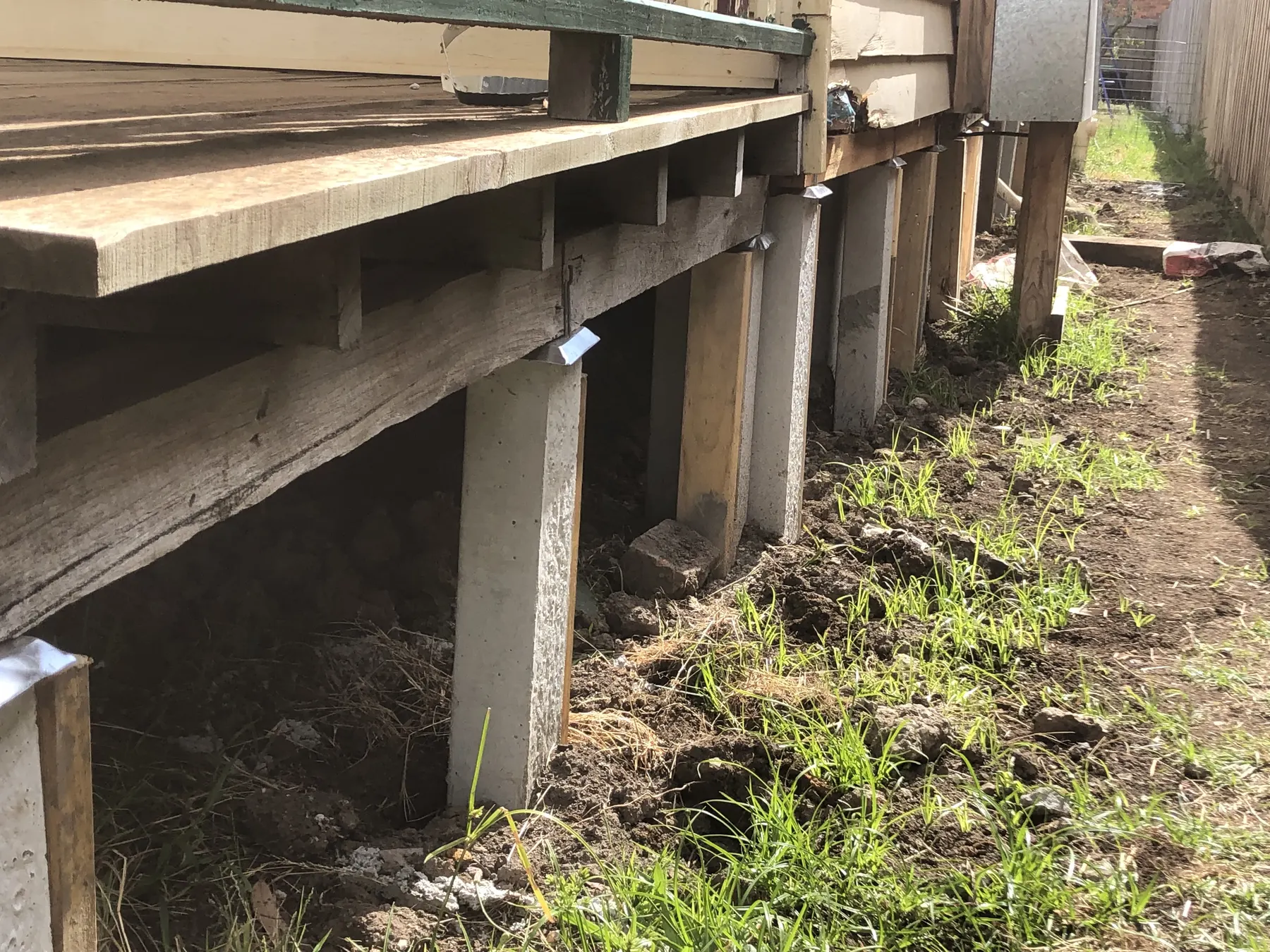
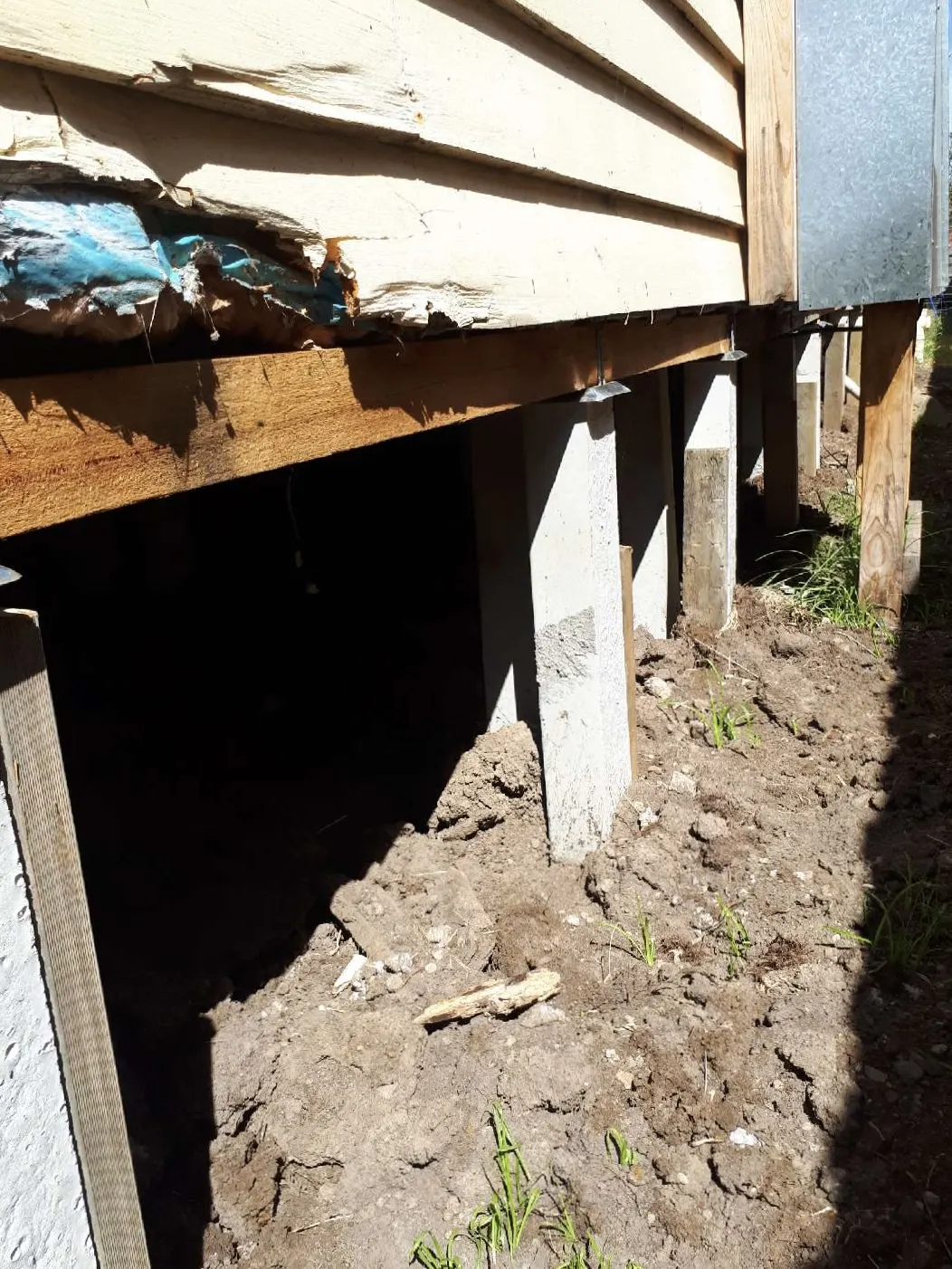
  • Side of a house showing new stumps along the perimeter

    Perimeter stumps along the side of the home

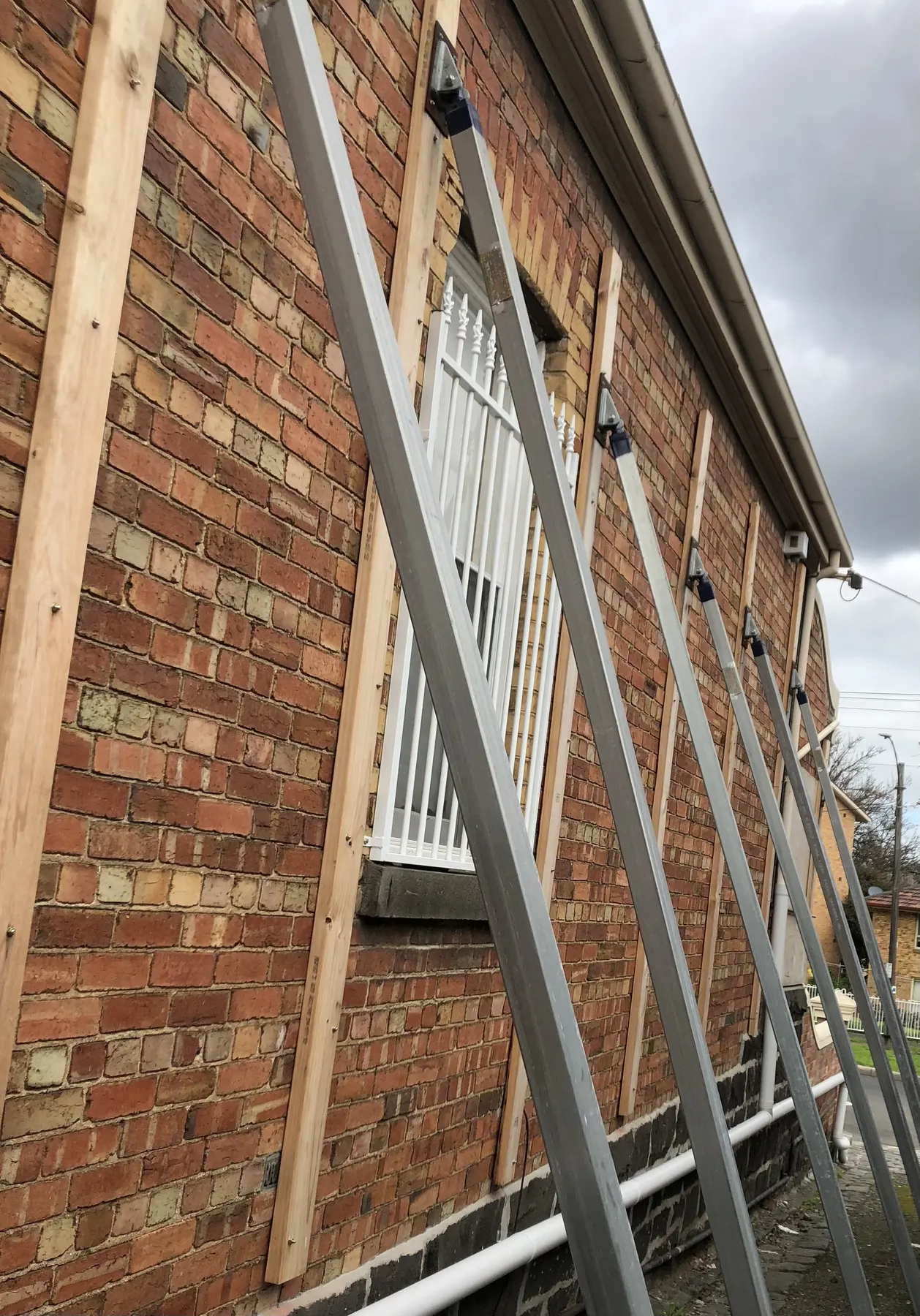
  • Brick wall supported with temporary props

    Temporary props supporting a brick wall during works

  • Close view of new concrete stumps under a house

    Concrete stumps installed and packed to level

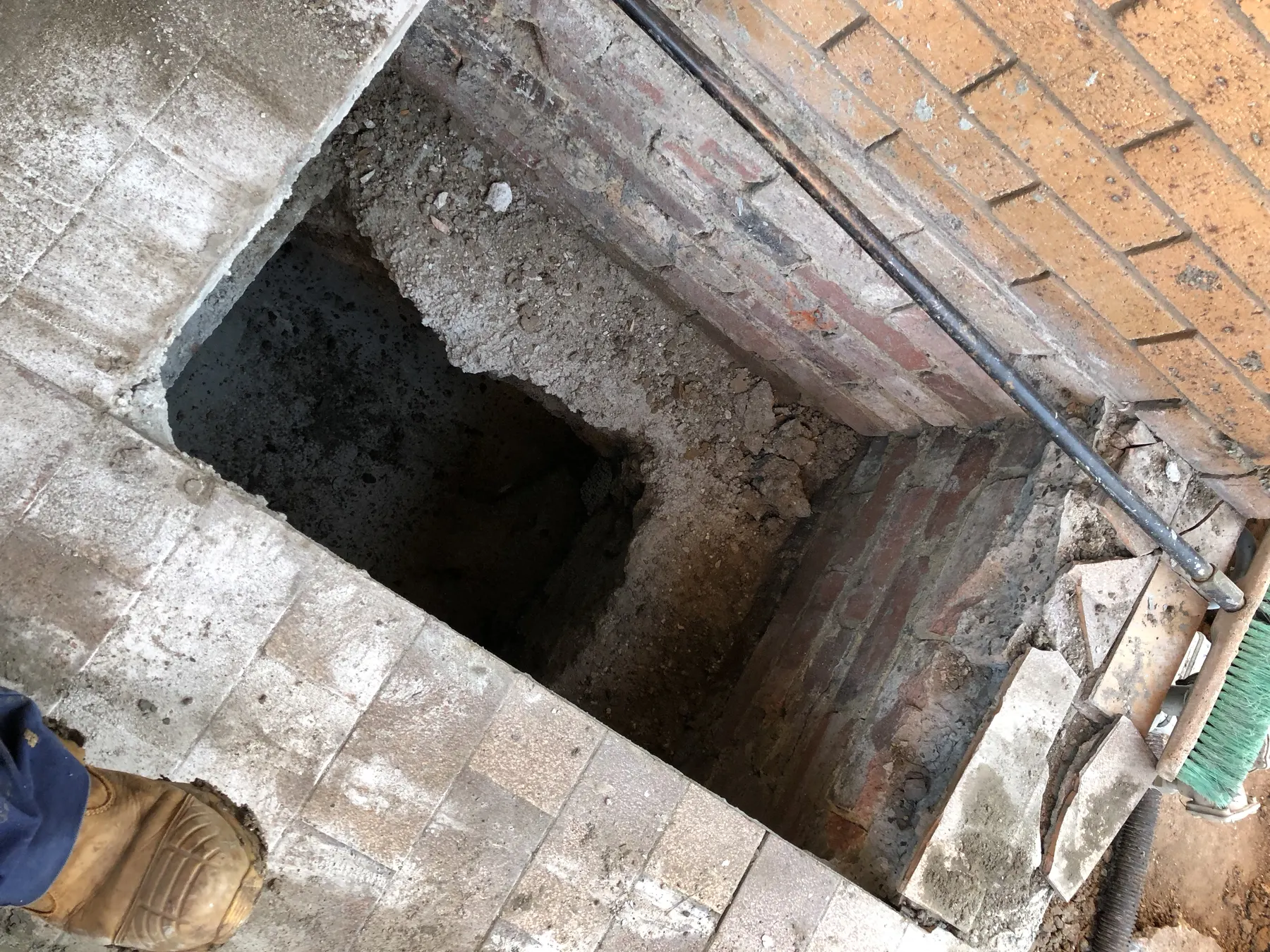
  • Deep rectangular excavation beneath an existing footing

    Excavation beneath an existing footing

  • Timber bearers and joists supported on new stumps

    Bearers and joists supported on new stumps

  • Neat rectangular underpinning excavation

    A cleanly cut underpinning excavation

How it works

From first call to handover.

A clear sequence, so you know what is happening and why at each stage.

  1. 01

    Initial enquiry

    Tell us what you've noticed by phone or the enquiry form. We'll ask a few questions about the home and the signs of movement.

  2. 02

    Assessment

    We arrange a time to look at the property, including the subfloor or footings where accessible.

  3. 03

    Scope and quote

    You receive a proposed scope of work and a quote that explains what we recommend and why.

  4. 04

    Scheduling and preparation

    We agree a start date, talk through access and what to move, and confirm any approvals or engineering input the job requires.

  5. 05

    Work and required checks

    The work is carried out in stages, with levels and any required inspections completed as the job progresses.

  6. 06

    Handover

    We walk you through what was done and leave the site tidy. It's normal for some minor cosmetic touch-ups to be needed after a house is lifted.

Weatherboard house with its subfloor opened for restumping

About Home Links

A family business that stays close to the work.

Home Links Restumping & Underpinning is a family-owned business working on homes throughout Melbourne. Theo leads the team and is the person you'll speak to from your first call.

Foundation work can feel daunting. Our job is to explain clearly what's happening under your home, recommend only what it needs, and make the process as smooth as possible.

More about us

Customer words

“Theo and his team did a fantastic job. Theo was very efficient and organised. The job was done quickly and professionally!”
Liz Sag, Home Links customer

FAQs

Common questions.

What's the difference between restumping, underpinning and relevelling?

Restumping (also called reblocking) replaces the stumps under a raised timber floor. Underpinning supports or strengthens the footings of brick or slab structures. Relevelling adjusts an existing floor back towards level where most stumps are still serviceable. Many homes need a combination — the assessment determines which.

Do cracks always mean my foundations are failing?

No. Cracks, sticking doors and uneven floors can have several causes, including seasonal soil movement, moisture, drainage or plumbing leaks and normal building movement. An assessment helps work out what is actually going on before any work is recommended.

What affects the price?

The main factors are the size of the home, how many stumps or how much footing is involved, subfloor height and access, soil conditions, how far the house has moved, and whether engineering or approvals are required. Because these vary so much, we quote after seeing the property.

Is the inspection free?

Yes — we provide a free on-site quote. Please note that a quote inspection is not an engineering report. If your situation needs a structural engineer's assessment, we'll tell you.

Get in touch

Let's take a look.

Tell us what you've noticed and where the property is. Theo will get back to you to arrange a free on-site quote.

We'll only use your details to respond to this enquiry.

Call TheoRequest an Inspection